
Key Takeaways
- A hybrid brake-dust spray can be safe for powder-coated wheels, but the label needs to confirm compatibility before the first use
- Brake dust is a mix of iron particles, carbon, and friction material that bakes onto hot wheels the longer it sits
- Acid-based cleaners can etch or dull powder coat, so acid-free, pH-neutral chemistry is the safer default for coated finishes
- Willer Time explains that spraying on cool wheels, respecting dwell time, and rinsing before the product dries are the three habits that protect a coated finish – find more of the team’s insights below
Powder-coated wheels look sharp, but not every wheel cleaner plays nice with that finish. Brake dust still shows up the same way it does on any other wheel, and the question of what to spray on it matters more when a coating is involved.
Can You Spray It on Powder Coat?
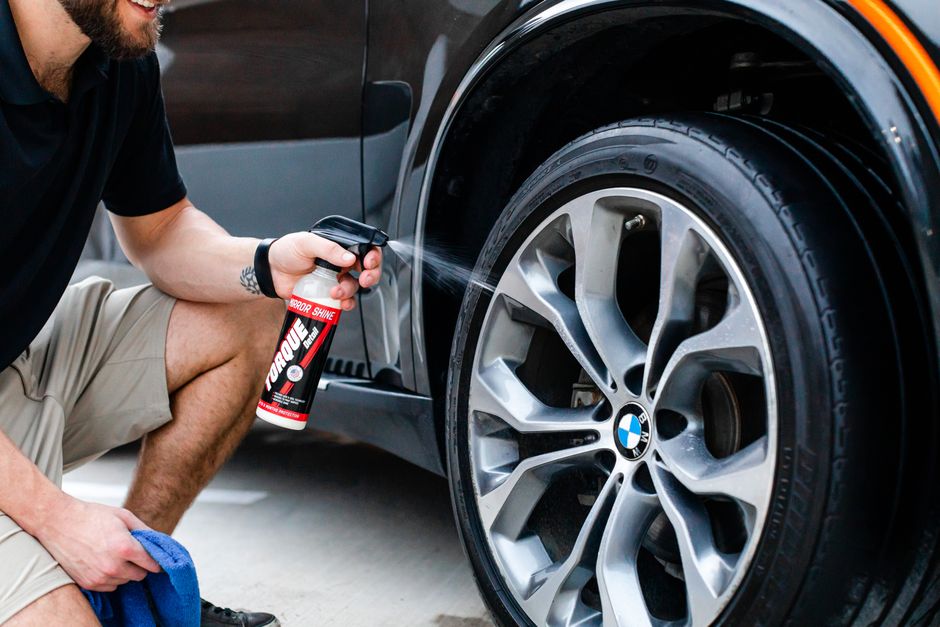
A hybrid brake-dust spray can work well on powder-coated wheels, as long as two things line up. First, the product label needs to specifically say it is safe for powder-coated or coated finishes. Second, the chemistry inside the bottle needs to match that claim, which usually means an acid-free, pH-balanced formula rather than a harsh acid cleaner.
When those two boxes are checked, a hybrid spray can lift bonded brake dust without stripping or dulling the coating underneath. The word “hybrid” generally refers to a formula that blends reactive, iron-dissolving chemistry with the gentler cleaning agents found in an all-purpose or wheel-safe cleaner. That combination lets a single spray tackle both loose grime and the stubborn iron particles that regular soap and water tend to leave behind.
Why Brake Dust Builds Up
Every time the brakes get used, a little bit of residue flies off and lands on the wheel. Over weeks and months, that residue adds up into the dark coating that makes wheels look dirty even right after a wash.
Iron, Carbon, and Friction Material
Brake dust is made up of iron particles, carbon, and bits of friction material shed from the brake pads during normal driving. These three ingredients combine into the gritty, dark film that clings to wheel faces and barrels. Iron is the main component, and it bonds to metal and coated surfaces in a way plain soap struggles to break down, which is why reactive, iron-targeting cleaners exist in the first place.
Baked-On Dust Is Harder to Lift
Heat is the enemy of easy cleaning here. Wheels get hot during driving, and that heat can bake brake dust onto the surface, turning what started as a light dusting into a stubborn, bonded layer. The longer that buildup sits, the more it can discolor the finish and make future cleaning sessions take longer. Cleaning regularly, before dust has a chance to bake in, keeps each wash faster and gentler on the coating.
When Heavy Dust Signals a Brake Problem
Most brake dust is simply a normal side effect of stopping the car, but a wheel that gets excessively dusty, faster than the others or faster than usual, can be worth a second look. Heavy dust output can sometimes point to an underlying issue with the braking system, such as a problem with a rotor or caliper. Keeping an eye on how quickly dust reappears after a wash is a simple way to catch a brake issue early, alongside routine visual checks during cleaning.
Why the Label Matters on Coated Wheels
Powder coat is a tougher finish than clear coat in some ways, but it is not immune to chemical damage. The product label is the single best clue to whether a cleaner belongs anywhere near a coated wheel.
Acid Cleaners vs. Acid-Free Chemistry
Acid-based wheel cleaners cut through grime effectively, but that strength is also the risk. Acidic formulas can etch bare or polished aluminum and may dull or damage powder-coated finishes. Acid-free, pH-neutral iron removers offer a gentler path, built to dissolve bonded iron without relying on acid, which makes them a safer default any time the wheel finish is uncertain.
Checking Compatibility Before You Spray
Reading the label before the first application is a small habit that prevents a costly mistake. The label is a practical, real-world check for whether a cleaner’s chemistry suits a specific wheel finish, rather than guessing based on price or brand reputation. A few label checks worth running through:
- Look for the words “powder-coated,” “coated wheel safe,” or “acid-free” printed directly on the bottle.
- Scan the ingredient or warning section for mentions of hydrofluoric acid or other strong acids, which signal a formula better suited to bare or clear-coated wheels.
- When in doubt, test a small, hidden area of the wheel first and watch for any discoloration before treating the whole set.
Using a Hybrid Spray the Safe Way
Even a wheel-safe, label-approved spray needs to be used correctly to get the best result. Technique matters just as much as the formula itself.
Spray on Cool Wheels Only
Working on a hot wheel is one of the fastest ways to cause streaking or uneven cleaning. Heat can cause the cleaner to flash-dry before it has a chance to react with the brake dust, which weakens the cleaning power and raises the odds of residue bonding to the surface. Parking in the shade and letting the wheels cool down fully before spraying is a simple step that pays off in a cleaner, more even result.
Respect the Dwell Time
Dwell time is the window the product needs to sit and react with the iron particles before being agitated or rinsed. Typical iron-remover dwell times run roughly 3 to 8 minutes depending on the specific product. The label’s instructions always take priority over a general rule of thumb, since formulas vary in strength and reaction time.
Agitate Gently With a Wheel Brush
Spray alone often can’t reach every nook on a wheel, especially barrels, spokes, and lug pockets. A dedicated wheel brush helps shift stubborn brake dust in those tighter areas, working the product into contact with bonded grime without scrubbing hard enough to mar the coating. Using a brush set aside specifically for wheels, rather than one shared with the vehicle’s paint, also keeps abrasive brake-dust particles away from the clear coat on the body.
Rinse Before It Dries
Letting a cleaner dry on the wheel is one of the most common mistakes in this entire process. A product left to dry can leave behind residue that is far harder to rinse away than the brake dust it was meant to remove. Rinsing thoroughly, ideally from the top of the wheel down, while the cleaner is still wet protects both the finish and the final shine.
Keeping Wheels Cleaner Between Washes
A good cleaning routine does more than fix the current mess. It also sets up the next wash to be faster and easier.
Regular Cleaning Prevents Buildup
Brake dust that gets cleaned off regularly tends to come off more easily each time, since it never gets the chance to bake into a thick, stubborn layer. Building a habit of washing wheels on a consistent schedule, rather than waiting until the dust is visibly heavy, keeps each session quicker and reduces the need for aggressive agitation.
Protective Barriers Can Extend Clean Time
Some products go a step further by leaving behind a protective barrier after cleaning is done. A brake-dust repellent of this kind can help wheels stay cleaner for up to 4 weeks, through reduced adhesion of new dust to the surface. Pairing a coated-wheel-safe cleaner with a repellent step can stretch the time between deep cleans and make routine upkeep noticeably lighter.
A Safe Spray Beats Guesswork Every Time
Guessing at wheel cleaner compatibility is a gamble that powder coat rarely wins. Checking the label, matching the chemistry to the finish, and following a few simple habits, cool wheels, correct dwell time, gentle agitation, and a prompt rinse, turns brake-dust removal into a routine task instead of a risk.
For the next wash, Willer Time has more resources explaining why wheel-safe hybrid cleaners make it easier to keep wheels looking sharp without second-guessing every spray.
Willer Time
support@willertime.com
1(800) 555-1234
2020 N Academy Blvd Ste 261
#4504
Colorado Springs
CO
80909
United States


