HANGZHOU, ZHEJIANG, CHINA, October 21, 2026 /EINPresswire.com/ —
As demand for lightweight, durable, and high-performance materials continues to grow across industrial and manufacturing sectors, advanced fiber fabrics are attracting increasing attention from product designers, engineers, and material purchasers. Hangzhou Raytop New Material Co., Ltd. operates in this evolving materials landscape, where the selection of reinforcement fabrics and functional textiles can influence product performance, manufacturing efficiency, and long-term reliability. Alongside carbon fiber fabric, specialized materials such as Aramid Fabric and Oxidized PAN Fabric serve important roles in applications where strength, thermal performance, and protective properties are key considerations.
The wider market for technical fabrics reflects a shift toward materials that deliver more than conventional textile functions. Manufacturers in transportation, industrial equipment, construction, sports products, and personal protective equipment increasingly evaluate materials according to their weight, mechanical properties, resistance to environmental conditions, and compatibility with downstream manufacturing processes. Within this context, carbon fiber fabric remains an important reinforcement material, while aramid and oxidized polyacrylonitrile-based fabrics provide complementary performance characteristics for specialized uses.
Carbon Fiber Fabric and the Demand for Lightweight Performance
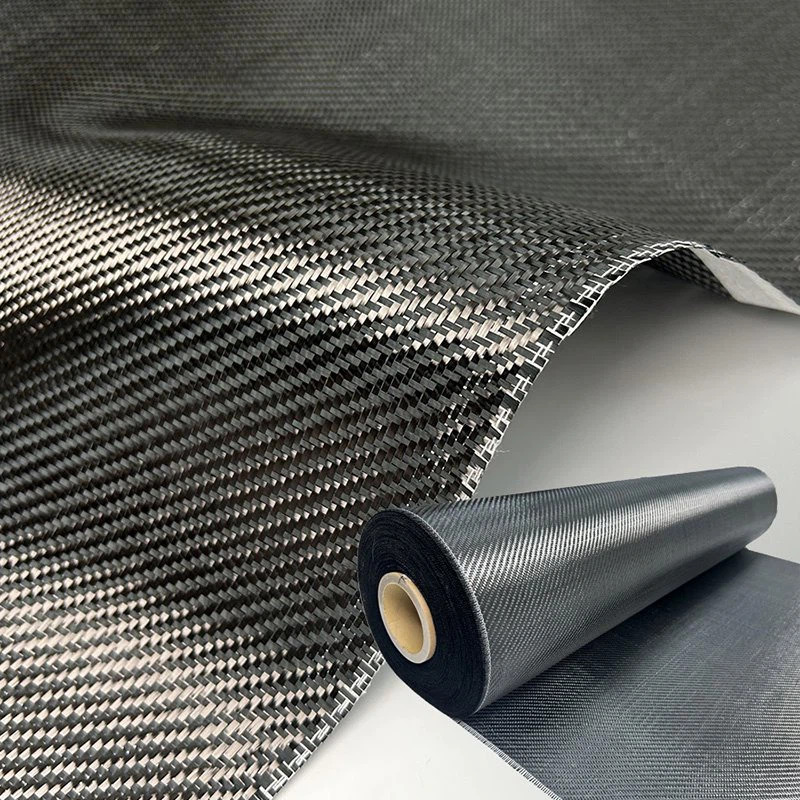
Carbon fiber fabric is widely used in composite manufacturing because it combines low weight with high tensile strength and stiffness. When incorporated into a suitable resin system, carbon fiber reinforcement can help create components with a favorable strength-to-weight ratio. This makes it relevant to applications in automotive components, sporting goods, industrial structures, marine equipment, and other products where reducing weight without sacrificing structural performance is an important objective.
Unlike traditional metal components, carbon fiber composites can be engineered around specific load requirements and component geometries. Fabric architecture, fiber orientation, resin selection, and the manufacturing process all influence the final properties of a composite part. Plain, twill, and other weave structures can offer different handling characteristics and surface appearances, while unidirectional reinforcement can be selected when strength is needed primarily along a particular axis.
For buyers, evaluating carbon fiber fabric involves more than comparing price per roll. Fabric weight, weave consistency, width, fiber specification, surface quality, and compatibility with the intended resin system can all affect production outcomes. Consistent material characteristics help manufacturers reduce variation during lay-up, molding, curing, and finishing. Clear technical documentation and communication between suppliers and customers are therefore valuable parts of the procurement process.
As a company associated with the technical materials sector, Hangzhou Raytop New Material Co., Ltd. is positioned within a market where customers need to assess materials according to their specific applications rather than relying on a single universal specification. Different end products require different balances of strength, flexibility, surface finish, durability, and cost. Careful material selection can help customers align the reinforcement fabric with the functional requirements of the finished component.
Aramid Fabric: Strength and Protection for Specialized Applications
Aramid Fabric represents another important category of high-performance textile. Aramid fibers are known for their high strength-to-weight characteristics and resistance to heat, making them suitable for a variety of demanding industrial and protective applications. Depending on the fiber type, fabric construction, and finishing process, aramid textiles may be used in protective clothing, reinforcement materials, industrial components, and selected transportation or sporting applications.
One of the main advantages of aramid-based materials is their ability to provide useful mechanical performance without adding unnecessary weight. In applications where abrasion, impact, cutting hazards, or elevated temperatures are concerns, aramid fabrics can be considered as part of a broader material solution. Their performance, however, depends on the precise grade and construction selected, as well as the conditions in which the fabric will be used.
Aramid Fabric can also be incorporated into composite structures or combined with other reinforcement fibers. Hybrid fabric designs may be considered when manufacturers need to balance several properties, such as stiffness, impact resistance, weight, and handling characteristics. The choice between pure aramid fabric and a hybrid construction should be based on the intended function of the component and the relevant technical requirements.
For industrial buyers, practical evaluation includes reviewing fabric weight, weave pattern, thickness, width, mechanical test data, and any relevant heat or flame performance information. Protective applications may also require compliance with specific standards and testing protocols. A material description alone is not sufficient to establish that a fabric is appropriate for a particular safety-critical use; buyers should confirm the applicable certification and performance data before specifying it.
The inclusion of Aramid Fabric in a technical material portfolio reflects the broader need for options that address different engineering challenges. Carbon fiber is often selected where high stiffness and low weight are priorities, while aramid may be considered when impact performance, toughness, or heat-related requirements are central to the design. Understanding these distinctions helps manufacturers make more informed decisions and avoid treating all high-performance fibers as interchangeable.
Oxidized PAN Fabric and Thermal-Protection Applications
Oxidized PAN Fabric is produced from polyacrylonitrile-based fibers that have undergone an oxidation process. This treatment changes the fiber structure and creates a material valued for its thermal stability and flame-resistant characteristics. Oxidized PAN materials are used in applications where resistance to heat and flame is important, including selected protective textiles, industrial insulation systems, and specialized thermal barriers.
The material is particularly relevant in environments where conventional textile fibers may not provide the required level of thermal performance. Depending on its construction and the specifications of the finished product, oxidized PAN fabric can be incorporated into protective assemblies or used as one component within a multilayer material system. Its suitability depends on factors such as fabric weight, weave structure, thickness, thermal exposure, and the presence of other fibers or coatings.
Oxidized PAN Fabric should not be regarded as a substitute for every type of heat-resistant or fire-protection material. Different applications involve different hazards, including direct flame, radiant heat, molten material, electrical risks, and prolonged high-temperature exposure. Material selection must therefore consider the complete operating environment and the applicable testing requirements. Where the fabric is used in protective equipment, the finished garment or assembly may require assessment as a complete system rather than relying only on the properties of the raw fabric.
For manufacturers, reliable supply and consistent specifications are essential. Variations in fabric construction or material composition can affect handling, sewing, lamination, and final-product performance. Buyers may therefore review samples, technical data sheets, and relevant test results before approving a material for production. They may also ask suppliers to clarify available widths, weights, finishing options, and minimum order quantities.
By considering Oxidized PAN Fabric alongside carbon fiber and aramid products, material purchasers can compare different technical solutions according to their operating needs. These materials serve different purposes, but each illustrates the role of specialized fibers in addressing modern requirements for performance, durability, and safety.
Supporting Application-Specific Material Selection
A key challenge for companies purchasing technical fabrics is matching a material’s properties to the demands of the intended product. The same fabric may perform differently depending on the resin system, manufacturing method, component design, and environmental conditions. A well-organized selection process begins with a clear definition of the required properties and continues through sample evaluation, production trials, and quality verification.
For carbon fiber fabric, this may involve examining the required stiffness, fiber orientation, surface appearance, and compatibility with the chosen composite process. For Aramid Fabric, the focus may include mechanical strength, abrasion resistance, impact-related requirements, and heat exposure. For Oxidized PAN Fabric, thermal stability and flame-related performance may be particularly important. In every case, the final specification should be determined by the actual application rather than by broad material descriptions.
Communication between material suppliers and buyers can make this process more efficient. Purchasers benefit from sharing information about the intended use, manufacturing conditions, target dimensions, and required standards. Suppliers can then help clarify which product specifications should be reviewed and whether additional testing or customization may be necessary. Samples are useful for checking appearance and handling, although laboratory testing remains important when performance claims must be verified.
Quality assurance is another central consideration. Consistent roll dimensions, fabric construction, packaging, labeling, and traceability can help manufacturers maintain more predictable production schedules. Incoming inspections may identify visible defects or dimensional inconsistencies before materials enter the production line. For applications with stringent performance requirements, documented testing and lot-level traceability can provide additional confidence.
These practices are relevant not only to large industrial manufacturers but also to smaller businesses developing specialized products. Clear specifications and early technical discussions can reduce uncertainty, prevent unsuitable substitutions, and help buyers compare offers on a like-for-like basis.
Market Trends in Advanced Fiber Fabrics
The development of advanced fiber fabrics is connected to several broader manufacturing trends. Lightweighting remains important in transportation and sporting goods, where reducing component mass can support efficiency and product handling. Industrial operators continue to seek materials suited to demanding environments, while safety-focused sectors require textiles that meet defined protection and durability criteria. Meanwhile, product developers are exploring composite and hybrid constructions to combine the benefits of different fibers.
These trends increase the importance of technical information throughout the supply chain. Procurement teams increasingly need to understand not only the price and availability of a material but also its processing requirements, limitations, and consistency. Product specifications that clearly identify fiber type, fabric construction, weight, width, and relevant performance data can help reduce misunderstandings between suppliers and customers.
Sustainability and resource efficiency are also part of the wider discussion surrounding advanced materials. Lightweight components may contribute to efficiency in some applications, but the overall environmental impact depends on the complete product lifecycle, including raw material production, manufacturing energy, durability, maintenance, and end-of-life options. Manufacturers evaluating carbon fiber or other high-performance textiles should consider these factors in the context of the particular product and its expected service life.
For companies such as Hangzhou Raytop New Material Co., Ltd., operating in the technical materials market means serving customers whose requirements can vary considerably by industry. The ability to communicate product characteristics clearly and help buyers identify suitable specifications is an important element of a dependable supplier relationship. In this market, material knowledge and consistent service can be as significant to customers as the range of products available.
Building Confidence Through Technical Evaluation
Selecting a fabric for an industrial or protective application is ultimately a technical decision. Buyers should request current product specifications, verify the suitability of any performance claims, and establish acceptance criteria before placing a production order. Where required, independent testing or certification can provide additional evidence that a material meets the standards applicable to its intended use.
It is also important to distinguish between the inherent properties of a fiber and the performance of a finished product. Weave design, coatings, laminations, stitching, resin systems, and assembly methods can all influence the result. A fabric that performs well in one configuration may not provide identical performance in another. This is particularly important for protective equipment and components exposed to heat, impact, chemicals, or other demanding conditions.
An effective supplier relationship therefore extends beyond the initial transaction. Clear communication about product availability, specification changes, packaging, delivery expectations, and quality concerns can help customers manage their operations more effectively. Regular review of incoming materials and production feedback can also support continuous improvement over time.
As demand for specialized materials develops, companies that understand the differences among carbon fiber, aramid, and oxidized PAN fabrics will be better equipped to make informed sourcing decisions. Each material has a distinct role, and choosing the right one requires a careful balance of engineering needs, manufacturing constraints, and cost considerations.
About Hangzhou Raytop New Material Co., Ltd.
Hangzhou Raytop New Material Co., Ltd. is a company associated with the advanced materials sector. Its name and product-related presence connect it with a market serving manufacturers and purchasers seeking specialized fabric solutions for industrial and technical applications. The company’s website provides a point of contact for customers who wish to learn more about its business and product offerings.
For buyers evaluating carbon fiber fabric and related technical textiles, the most useful next step is to confirm current product specifications, available constructions, supply conditions, and application suitability directly with the company. Detailed discussions about end-use requirements can help establish whether a particular material aligns with a project’s technical and commercial needs.
Website: www.raytopmaterial.com
Address: 2205 Jiarui Plaza, Jincheng Road, Beigan Street, Xiaoshan District, Hangzhou City
Official Website: https://www.raytopmaterial.com/
YuYan Xu
Hangzhou Raytop New Material Co., Ltd.
monica@raytopmaterial.com
Legal Disclaimer:
EIN Presswire provides this news content “as is” without warranty of any kind. We do not accept any responsibility or liability
for the accuracy, content, images, videos, licenses, completeness, legality, or reliability of the information contained in this
article. If you have any complaints or copyright issues related to this article, kindly contact the author above.

Media gallery