
Taiyuan, Shanxi, China-November 18,2026
From Thin-Wall Aluminum Die Casting to Finished CNC Parts: What Buyers Should Check
For many aluminum components, the most expensive mistake happens before the first casting is made: the die is approved without enough attention to machining datums, internal porosity or the way the part will be inspected. This is especially important for thin-wall housings and larger automotive structural components.
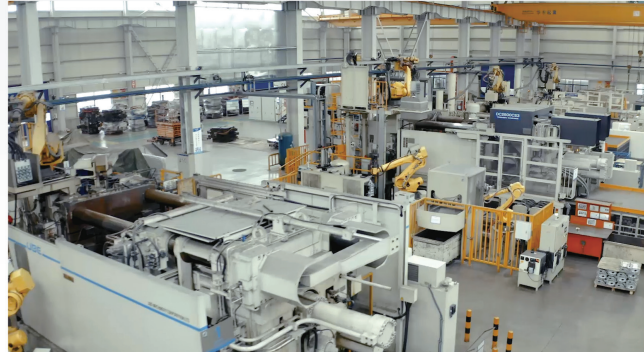
Lightweight design begins with the die, not just the alloy
High-pressure die casting (HPDC) can produce complex aluminum parts with thin ribs, bosses and mounting features at repeatable production rates. Electric-drive housings, transmission cases and vehicle body components are common examples.
But a thin wall on a drawing does not automatically mean a stable casting. Wall transitions, gate positions, venting, cooling and ejection all affect filling and distortion. Before tooling, the casting engineer should review the 3D model and identify features that need design changes or machining allowances.
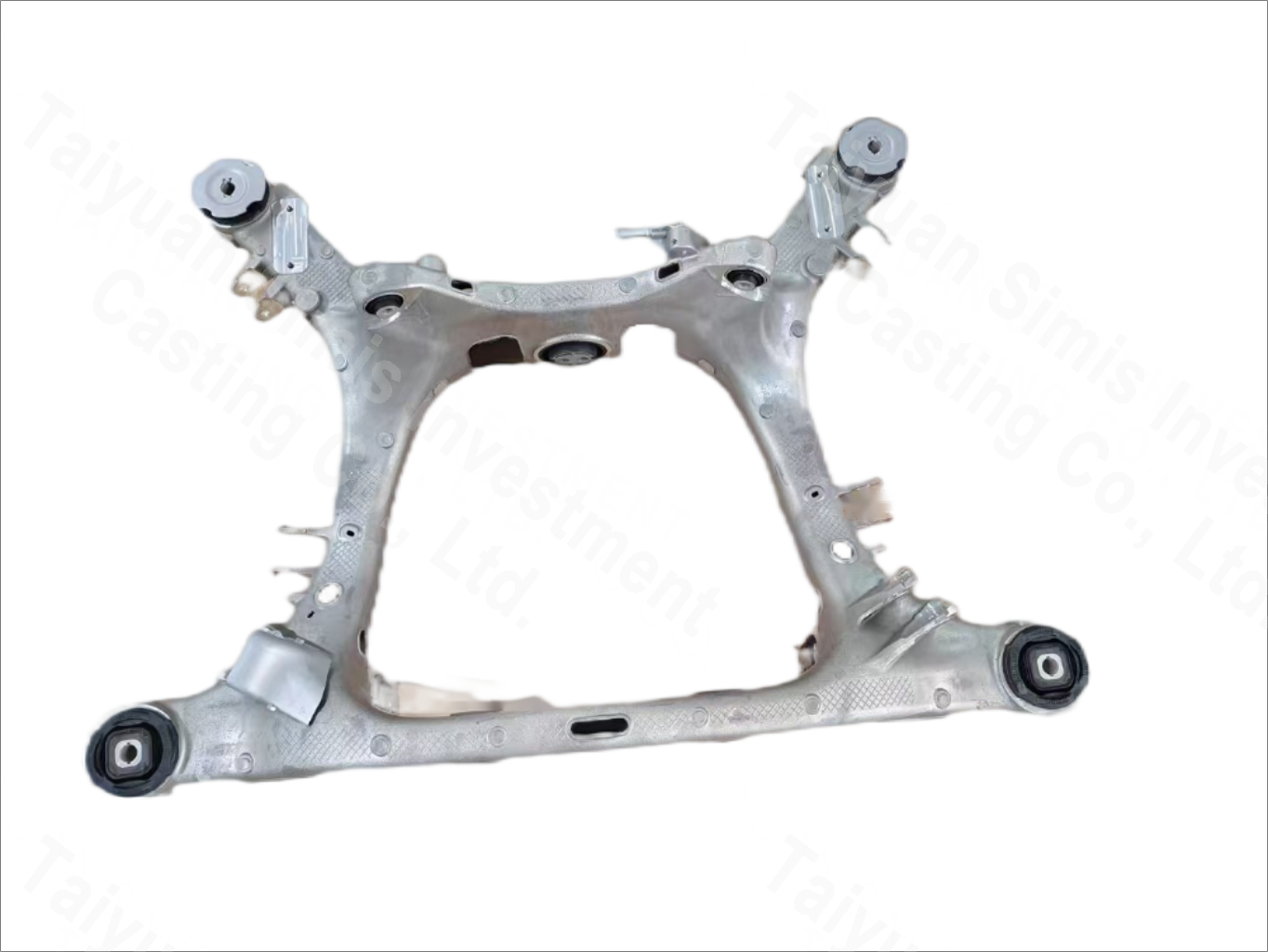 Vacuum and process control help address porosity
Air entrapment and shrinkage are practical risks in aluminum HPDC. For a housing with sealing surfaces or internal passages, porosity can become a leak or machining problem. Vacuum assistance, suitable die venting, controlled filling and balanced die temperatures can reduce these risks, but no single process setting guarantees a defect-free part.
Acceptance criteria should be agreed before trial production. For pressure-tight housings, this may include X-ray inspection or CT evaluation during development, followed by leak testing where the drawing requires it.
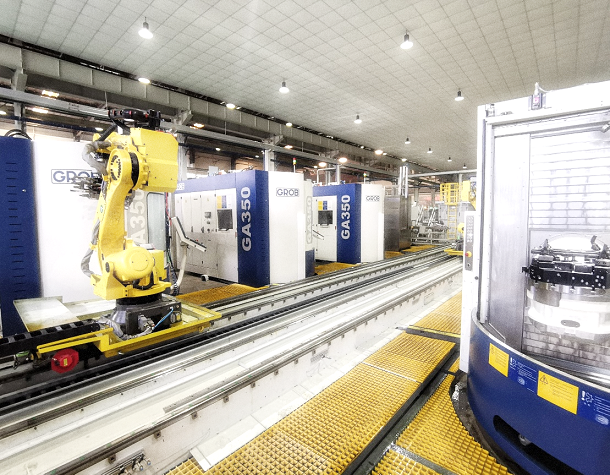
Plan CNC machining at the same time as die casting
The casting drawing and the machining drawing should be reviewed together. Bearing bores, sealing faces, threaded holes and assembly datums often require finishing operations after casting. If the fixture scheme is considered too late, the team may find that a thin wall is difficult to clamp or a critical bore has insufficient stock.
For repeat production, SIMIS coordinates casting, CNC machining and inspection according to the customer’s drawing and approval requirements. This allows tooling, machining allowances and dimensional checks to be assessed as one process rather than separate quotations.
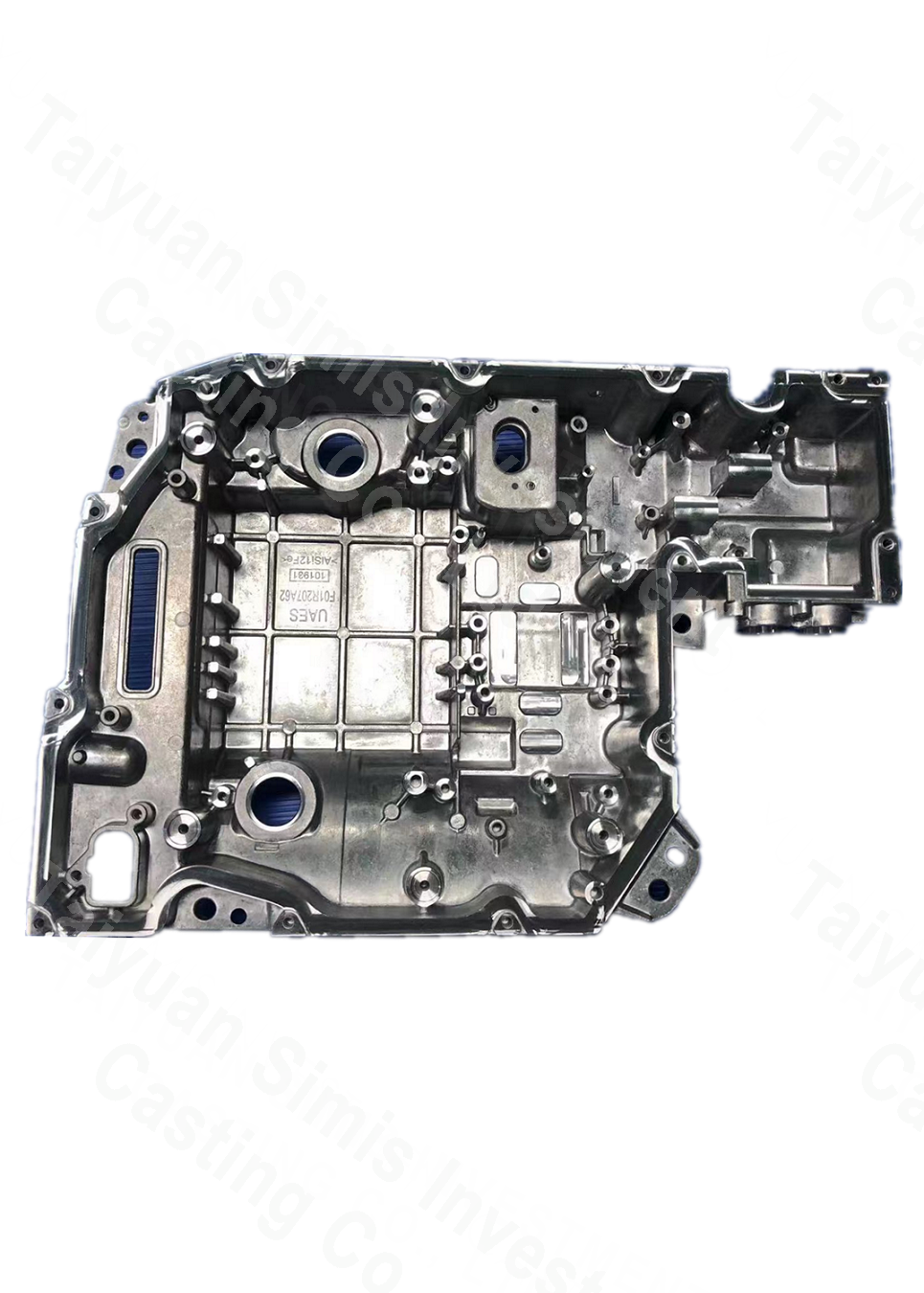
 Choose inspection by function, not by a generic checklist
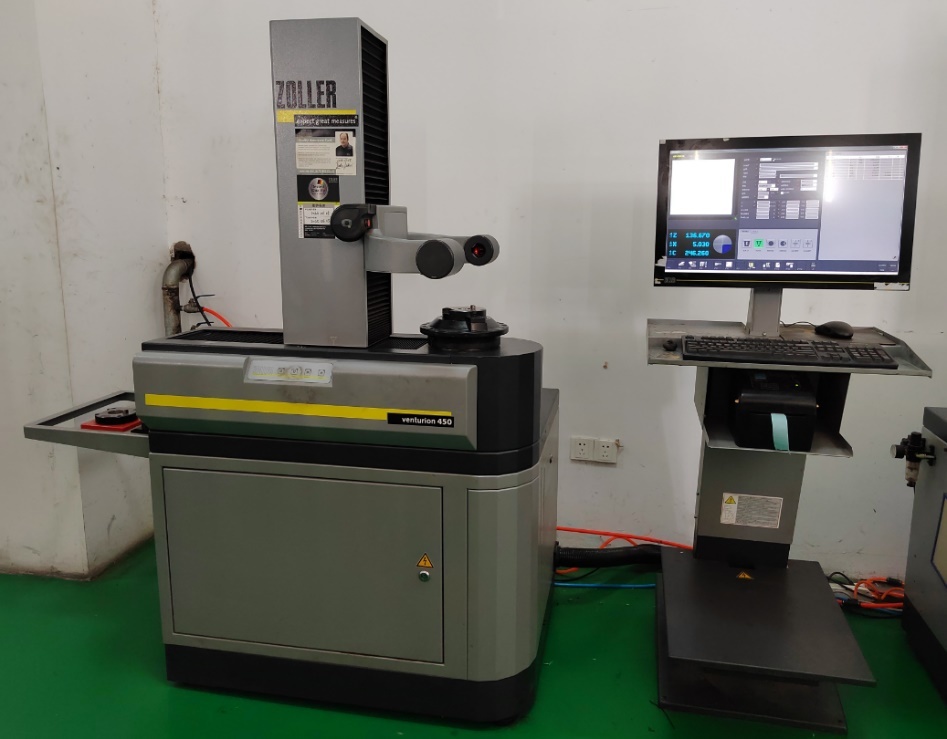
Different parts call for different verification. A transmission housing may need CMM reports for mounting interfaces and bores. A sealed enclosure may need a defined leak-test method. Structural parts may require mechanical properties and internal soundness checks. Sample inspection frequency and mass-production controls should be agreed separately.
Heat treatment is also application-dependent. The alloy, required elongation, dimensional stability and porosity level must be considered before selecting a T5, T6 or other treatment route.
What to send for a useful RFQ
For a meaningful feasibility review, the best starting package is a 3D model (STEP preferred), 2D drawing, aluminum alloy, expected annual volume and details of the critical characteristics. If the part must be leak-tight or needs special inspection, say so in the first inquiry.
SIMIS can review the part for a suitable die-casting and machining route, check the tooling approach with manufacturing resources and prepare a quotation based on the actual drawing requirements.
Discuss your RFQ: Have an aluminum casting project? Send your drawing, alloy, quantity and key inspection requirements to judy@metal-foundry.com. We’ll review the casting and CNC machining requirements together.
About US
Founded in 2004, SIMIS is a professional metal casting and CNC machining manufacturer dedicated to providing high-quality manufacturing solutions for customers worldwide.
Media Contact
Company Name: Taiyuan Simis Investment Casting Co., Ltd.
Contact Person: Media Relations
Email: Send Email
Phone: +86-15034166863
Country: China
Website: https://www.simis-manufacturer.com/
Press Release Distributed by ABNewswire.com
To view the original version on ABNewswire visit: Buyers Examine Key Factors in Thin-Wall Aluminum Die Casting and CNC Finishing


