
Key Takeaways:
- Vancouver Island stretches over 285 miles along British Columbia’s Pacific coast, offering old-growth forests, rugged shorelines, mountain ranges, and some of North America’s richest marine ecosystems — all within reach of each other.
- Cathedral Grove in MacMillan Provincial Park is home to Douglas firs over 800 years old and more than 250 feet tall, making it one of the most accessible old-growth experiences on the island.
- The island supports one of the highest black bear densities in North America, alongside coastal wolves, humpback whales, orcas, and a wide range of marine life.
- Hot Springs Cove — reachable only by boat or floatplane — offers naturally heated geothermal pools surrounded by ancient rainforest, with frequent wildlife sightings along the way.
- Each season offers something distinct: spring whale migrations, summer hiking, autumn salmon runs, and winter storm watching on the West Coast.
A Landscape Unlike Anywhere Else on Canada’s West Coast
Vancouver Island is often described as one of Canada’s great outdoor playgrounds, but that label barely captures its extraordinary diversity. Stretching more than 285 miles along British Columbia’s Pacific coast, the island encompasses towering temperate rainforests, rugged shorelines, mountain ranges, quiet fishing villages, and some of North America’s richest marine ecosystems.
Unlike destinations that center on a single attraction, Vancouver Island rewards travelers who enjoy exploring varied landscapes over several days. Within a single week, it is possible to walk beneath trees that began growing before European settlement, watch waves crash onto wild beaches, soak in natural hot springs, and spot whales feeding offshore.
This combination of accessibility and wilderness is a big part of why the island draws hikers, wildlife enthusiasts, and photographers from across the continent — people looking for something more than a scenic drive.
Walking Through Ancient Rainforests
Perhaps nowhere better illustrates Vancouver Island’s natural heritage than its remaining old-growth forests. Unlike younger managed forests, old-growth ecosystems have developed over centuries with minimal disturbance. Massive western red cedars and Douglas firs create towering canopies while fallen logs, mosses, lichens, and ferns support countless plants and animals below.
One of the island’s best-known examples is Cathedral Grove within MacMillan Provincial Park. Some Douglas firs exceed 800 years in age and rise more than 250 feet above the forest floor, creating an almost cathedral-like atmosphere that gives the grove its name.
Walking through these forests offers more than impressive scenery. Old-growth ecosystems store significant amounts of carbon, regulate local water systems, and provide habitat for numerous wildlife species that depend on mature forests. Even relatively short walking trails give a real sense of the scale of these living ecosystems — and why so much of the island remains under conservation protection.
Pacific Beaches That Change With Every Tide
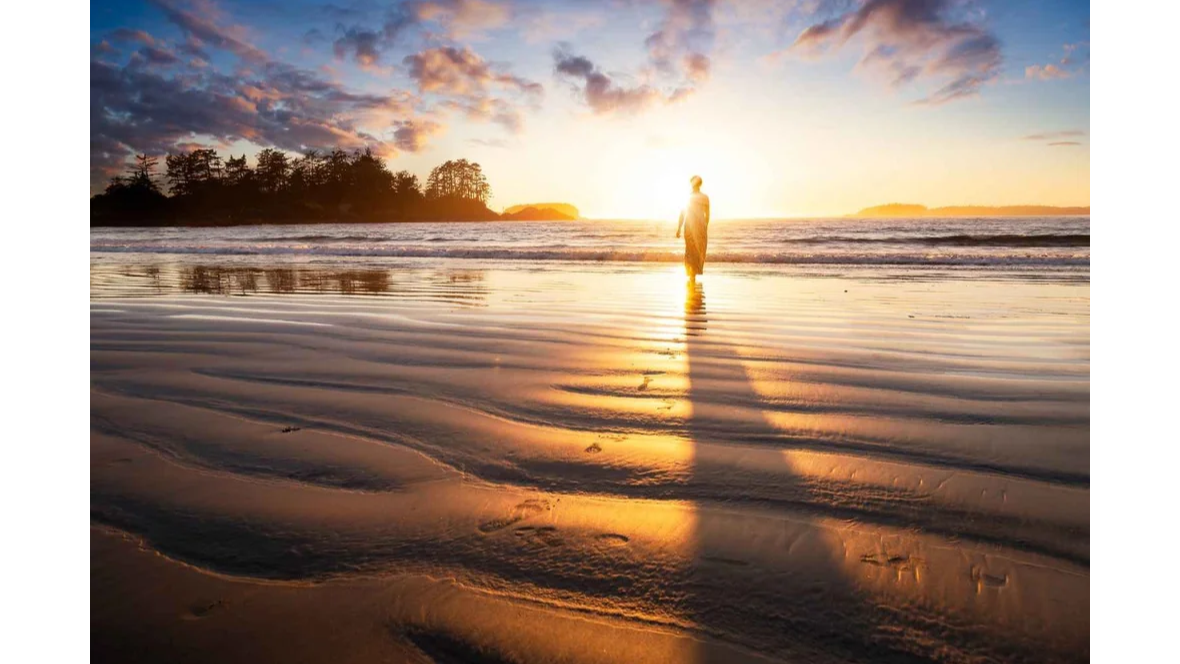
The island’s western shoreline presents an entirely different environment. Here, the Pacific Ocean has sculpted wide sandy beaches, rocky headlands, sea stacks, tidal pools, and sheltered coves over thousands of years. Rather than the calm waters associated with many coastal destinations, Vancouver Island’s west coast offers dramatic surf, changing weather, and spectacular sunsets.
Within Pacific Rim National Park Reserve, beaches such as Long Beach stretch for miles, providing opportunities for hiking, photography, birdwatching, and storm watching during the winter months.
The shoreline constantly evolves with the tides. Low tide reveals colorful sea stars, anemones, crabs, mussels, and countless marine organisms living among the rocks. High tide transforms the same coastline into a dynamic landscape shaped by powerful ocean swells arriving directly from across the Pacific. Even on overcast days, the coastline possesses a distinctive beauty, with drifting mist, windswept trees, and crashing surf creating scenes unlike anywhere else in Canada.
East Sooke Regional Park: Rugged Coastal Hiking
For hikers, East Sooke Regional Park represents one of southern Vancouver Island’s greatest treasures. Located west of Victoria, the park protects more than 3,500 acres of coastal wilderness featuring forest trails, rocky bluffs, secluded beaches, and panoramic ocean viewpoints.
The Coast Trail is especially popular because it combines several of Vancouver Island’s defining landscapes into one route. Hikers pass through rainforest before emerging onto exposed headlands overlooking the Strait of Juan de Fuca, where seals, sea lions, and migrating whales may occasionally be seen offshore.
Unlike more heavily developed parks, East Sooke retains a distinctly wild character. Trails remain natural, wildlife is common, and changing tides continually reshape the shoreline. For many visitors, it provides an excellent introduction to the island’s rugged coastal environment without requiring advanced backcountry experience.
Natural Hot Springs Along the Pacific Coast
Among Vancouver Island’s most memorable experiences is visiting Hot Springs Cove. Accessible only by boat or floatplane, the geothermal springs emerge from the forest before cascading naturally through a series of rock pools toward the Pacific Ocean.
The journey itself is part of the experience. Boat trips often pass through scenic inlets where bald eagles, sea lions, and whales are frequently spotted, depending on the season. A short boardwalk through ancient rainforest leads visitors to the springs, where naturally heated mineral water mixes with cool ocean spray.
The combination of remote wilderness, geothermal activity, and coastal scenery makes Hot Springs Cove one of the island’s most distinctive natural attractions.
Wildlife Encounters That Make Every Visit Different
One of Vancouver Island’s greatest attractions is its remarkable wildlife diversity. Because much of the island remains protected wilderness, many native species thrive across forests, mountains, rivers, and coastal waters.
Black Bears
Vancouver Island supports one of the highest densities of black bears in North America. The island’s bears are commonly observed during spring and summer feeding along beaches, estuaries, and forest edges. Contrary to popular perception, black bears generally avoid people and spend much of their time searching for berries, insects, roots, and spawning salmon.
Visitors should always maintain a safe distance, carry bear spray when hiking in remote areas, and follow provincial wildlife safety guidance. The more aggressive grizzly bears are rarely found on the island and keep to the northern coastal areas.
Sea Wolves
Among the island’s most fascinating residents are coastal wolves, often referred to as “sea wolves.” Unlike inland wolf populations, these animals have adapted to a marine environment, feeding on salmon, shellfish, deer, and even marine mammals. Researchers have found that coastal wolves can swim between islands over considerable distances while hunting.
Although sightings remain rare, their existence illustrates the remarkable ecological diversity found along British Columbia’s coastline.
Whales and Marine Life
The waters surrounding Vancouver Island support one of the world’s richest marine ecosystems. Seasonal whale watching offers opportunities to observe humpback whales, gray whales, minke whales, and both transient and resident orcas. Humpback whale populations have rebounded significantly in recent years following international conservation efforts, making sightings increasingly common during migration seasons. Harbor seals, Steller sea lions, porpoises, sea otters, and numerous seabird species also inhabit these coastal waters.
Responsible wildlife viewing operators follow established guidelines designed to minimize disturbance while allowing visitors to observe these remarkable animals safely.
Why Walking Reveals More Than Driving
Many of Vancouver Island’s most memorable locations are best appreciated on foot. Walking naturally slows the pace of travel, allowing visitors to notice details that disappear from a vehicle window—the scent of cedar forests after rainfall, tiny orchids growing beside woodland trails, tide pools filled with colorful marine life, or the distant call of an eagle overhead.
Hiking also creates opportunities to experience the island’s constantly changing environments. Forests transition into beaches, beaches into rocky headlands, and mountain viewpoints into quiet river valleys, often within a single day. This immersive style of exploration explains why walking vacations continue growing in popularity among travelers seeking authentic outdoor experiences rather than simply checking destinations off a list.
Planning a Vancouver Island Adventure
Although Vancouver Island can be visited year-round, each season offers distinct experiences.
Spring brings wildflowers, migrating gray whales, and increasingly active wildlife. Summer offers long daylight hours and ideal hiking conditions. Autumn transforms forests with vibrant colors while salmon runs attract bears and eagles. Winter, meanwhile, has become increasingly popular for dramatic storm watching along the West Coast.
Travelers planning a multi-day visit should allow enough time to experience the island’s varied landscapes rather than focusing on a single destination. Combining rainforest walks, coastal hikes, wildlife viewing, and visits to small communities provides a fuller appreciation of what makes Vancouver Island unique.
For those who prefer not to plan every detail independently, guided walking itineraries are worth considering — they’re a practical way to cover more ground while benefiting from local knowledge of the island’s best routes and timing.
Fresh Adventures
4539 Clayton Rd
Central Kootenay E
British Columbia
V1L 6X4
Canada


