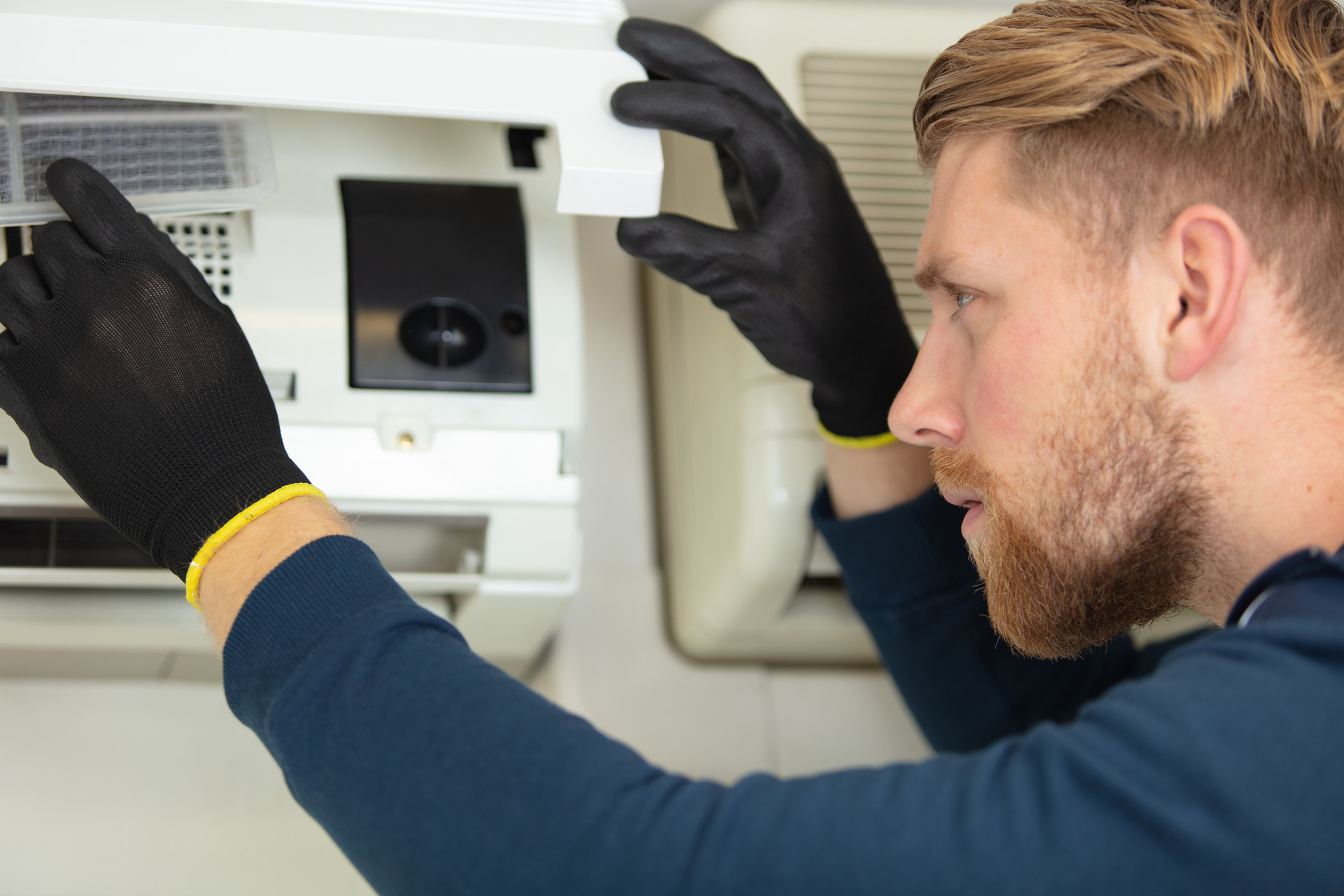
SLIDELL, LA, UNITED STATES, June 12, 2026 /EINPresswire.com/ — Air conditioning and heating systems are designed to move large volumes of air throughout residential and commercial buildings every day. While many components contribute to the performance of an HVAC system, one of the simplest and most frequently overlooked elements is the air filter.
Air filters play a critical role in protecting HVAC equipment while helping maintain indoor air quality. As air circulates through a system, filters capture dust, dirt, pollen, pet dander, and other airborne particles before those contaminants can enter sensitive mechanical components. Over time, however, accumulated debris can restrict airflow and create a variety of performance-related issues.
HVAC professionals routinely identify dirty air filters as a contributing factor in reduced system efficiency, uneven temperatures, increased energy consumption, and unnecessary strain on heating and cooling equipment. Because air filters are often located out of sight, many property owners remain unaware of their condition until noticeable performance problems begin to develop.
When a filter becomes clogged, the HVAC system must work harder to move air through the ductwork. Restricted airflow reduces the system’s ability to distribute conditioned air effectively throughout a building. As a result, rooms may become more difficult to cool or heat consistently, particularly during periods of extreme outdoor temperatures.
The impact of reduced airflow extends beyond comfort concerns. HVAC equipment is designed to operate within specific airflow parameters. When those conditions are disrupted, additional stress may be placed on components such as blower motors, evaporator coils, and compressors. Prolonged operation under restricted airflow conditions can contribute to increased wear and reduced operational efficiency.
Cooling performance is often one of the first areas affected by a dirty air filter. During the cooling cycle, warm indoor air passes over the evaporator coil where heat is removed before cooled air is redistributed throughout the building. If airflow becomes restricted, the coil may not receive sufficient warm air to operate as intended. In some cases, excessively restricted airflow can contribute to ice formation on the evaporator coil, further reducing system performance.
Heating systems can experience similar challenges. Reduced airflow may make it more difficult for heated air to circulate effectively throughout the building, potentially creating uneven temperature distribution and longer operating cycles.
Energy consumption is another factor associated with dirty air filters. When airflow restrictions develop, HVAC systems often run longer in an effort to maintain desired indoor temperatures. Extended operating times can increase energy usage while placing additional demands on mechanical equipment.
Indoor air quality may also be affected when filters become overloaded with debris. Airborne particles that accumulate within a building can contribute to dust buildup and may circulate throughout occupied spaces if filtration effectiveness declines. Maintaining clean filters helps support proper air movement while allowing filtration systems to perform as intended.
The frequency of filter replacement varies based on several factors, including filter type, system usage, occupancy levels, pets, environmental conditions, and indoor air quality considerations. Homes with multiple occupants, indoor pets, or elevated dust levels may require more frequent filter inspections and replacement intervals.
Commercial facilities often face additional filtration demands due to larger occupancy levels, extended operating hours, and increased air circulation requirements. Routine maintenance programs frequently include scheduled filter inspections to help support consistent HVAC performance.
Seasonal changes can also influence filter maintenance needs. During periods of heavy cooling or heating demand, HVAC systems typically operate for longer durations, increasing the volume of air passing through filtration systems. Regular inspections can help identify restrictions before performance issues become more significant.
According to Jennifer Lingo of LOUMIS Air, which serves communities throughout Louisiana and Mississippi, air filters are among the most important yet commonly overlooked maintenance items within HVAC systems.
“Air filters have a direct impact on airflow, equipment performance, and overall system operation,” said Lingo. “A filter that becomes heavily restricted can affect comfort levels, energy usage, and the workload placed on HVAC equipment. Routine inspection and replacement of filters remains one of the simplest ways to support system performance.”
Many HVAC maintenance visits include filter evaluations as part of broader system inspections. Technicians may also assess airflow conditions, inspect coils, verify refrigerant performance, evaluate electrical components, and identify potential maintenance concerns before they lead to larger operational issues.
Advances in filter technology have provided building owners with a variety of filtration options designed to address different indoor air quality objectives. Filter ratings, material composition, and airflow characteristics can vary considerably depending on the specific application. Selecting an appropriate filter often requires balancing filtration effectiveness with airflow requirements.
While HVAC systems contain many sophisticated components, the air filter remains one of the most accessible maintenance items for property owners to monitor. Regular inspections can help identify buildup before restrictions become severe enough to impact system operation.
As heating and cooling systems continue to serve as essential components of indoor comfort, routine filter maintenance remains an important aspect of responsible property care. By supporting proper airflow and helping protect mechanical components, clean air filters contribute to the overall performance, efficiency, and reliability of HVAC systems throughout the year.
Industry professionals continue to emphasize that small maintenance practices can play a significant role in long-term system operation, and few maintenance tasks are as simple—or as important—as monitoring and replacing air filters on a regular basis.
Morgan Thomas
Rhino Digital, LLC
+1 504-875-5036
email us here
Visit us on social media:
Facebook
Legal Disclaimer:
EIN Presswire provides this news content “as is” without warranty of any kind. We do not accept any responsibility or liability
for the accuracy, content, images, videos, licenses, completeness, legality, or reliability of the information contained in this
article. If you have any complaints or copyright issues related to this article, kindly contact the author above.

Media gallery